4 Typography Details Readers Will Notice
Readers may not know typography terms.
But they absolutely feel when a page is comfortable to read.
When authors think about book design, the first thing that usually comes to mind is the cover. But honestly? The inside of the book matters just as much.
Typography plays a huge role in how a story feels while reading. Most readers will never stop and think about margins, line spacing, or chapter layouts, but they do notice when something feels difficult, cluttered, or awkward without fully knowing why.
And that is completely normal. Readers are supposed to experience the story, not the formatting itself. Good typography quietly supports the reading experience in the background.
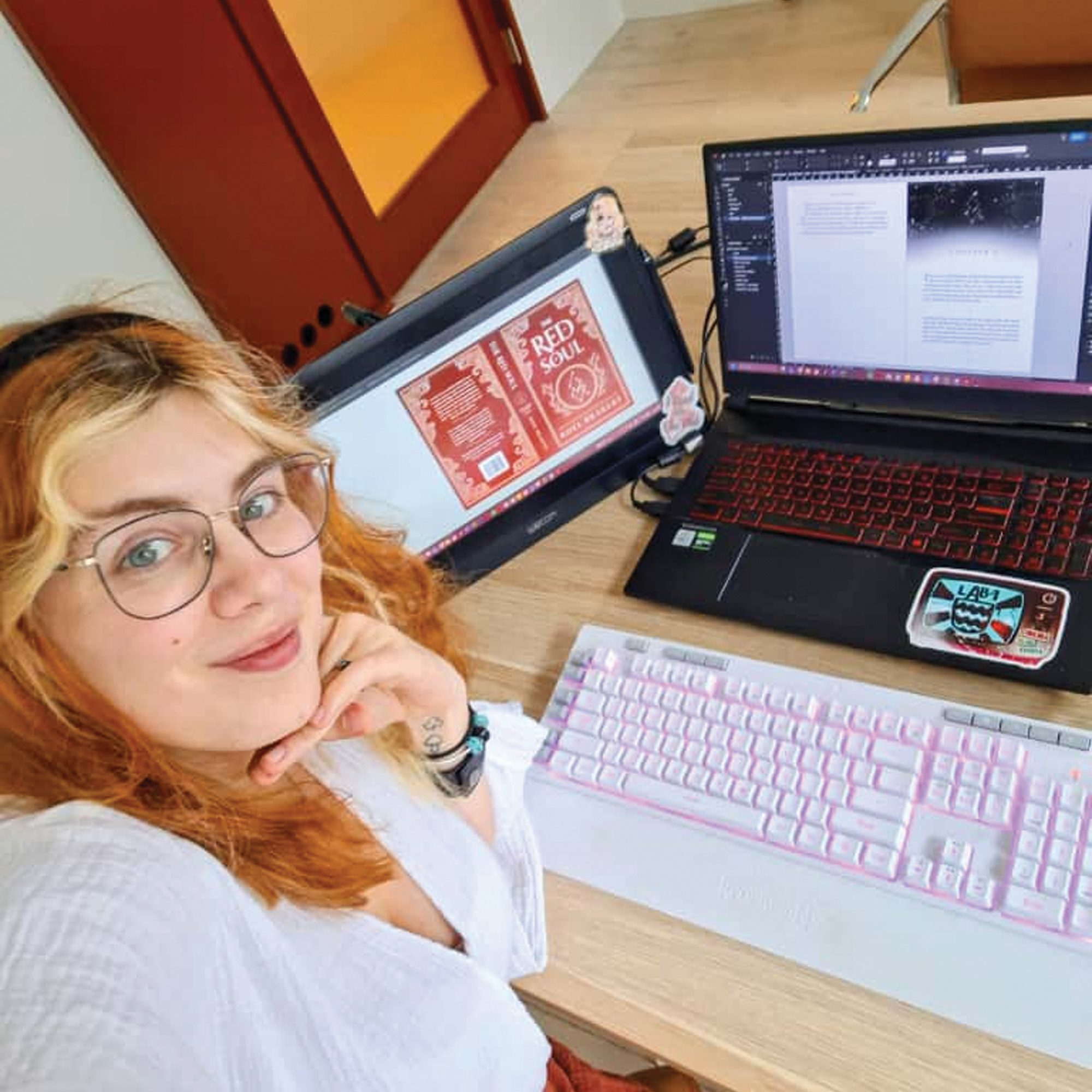
As someone who has formatted more than 200 books, I’ve seen how a few small typography choices can completely change how polished and immersive a book feels. So if you are currently learning about formatting or trying to improve your own book interiors, these are a few typography details that truly make a difference.

1. Comfortable Spacing Makes Reading Feel Easier
One of the biggest things readers notice subconsciously is spacing.
If text feels too cramped together, reading becomes tiring much faster. The page can start to feel visually “heavy,” even when the story itself is amazing. On the other hand, spacing that is too loose can make a book feel unfinished or disconnected.
Good formatting finds the balance in between.
Things like:
- Line spacing
- Margins
- Paragraph indentation
- White space around chapter titles
all help create breathing room on the page.
A well-spaced interior feels calmer and easier to settle into. Readers move through the story naturally without struggling to focus on the text itself.
This is one of those details people rarely notice consciously, but they absolutely feel it during long reading sessions.

2. Readability Always Matters More Than Fancy Fonts
I completely understand the temptation to use decorative fonts. There are so many beautiful ones out there, especially for fantasy and romance books. (Click here for My Indie Author’s Guide To Fonts)
But for interiors, readability always comes first.
A font can look gorgeous on Instagram graphics or chapter headers, but if it becomes difficult to read across hundreds of pages, it quickly pulls readers out of the story.
Professional book typography is usually much simpler than people expect, and that is actually a good thing. The goal is not to make readers notice the font. The goal is to make reading feel smooth and effortless.
Small details make a surprisingly big difference here:
- Font size
- Letter spacing
- Serif versus sans serif fonts
- Overall softness and balance on the page
Different genres also naturally lean toward different typography styles. Fantasy interiors often feel a little more elegant or atmospheric, while thrillers usually work better with cleaner, sharper typography.
Typography quietly helps support the mood of the story without overpowering it.

3. Chapter Hierarchy Helps Readers Navigate the Story
Readers naturally look for visual structure while reading, even if they are not actively thinking about it.
Clear chapter hierarchy helps pages feel organized, polished, and easy to follow. It guides readers through the story comfortably without visual confusion.
Things like:
- Consistent chapter titles
- Spacing before headings
- Scene break styling
- Opening chapter pages
- Balanced heading sizes
all help create flow throughout the book.
Without hierarchy, pages can start feeling visually chaotic very quickly. But when everything is styled consistently, the reading experience feels smoother and more intentional.
This is also where a lot of the “professional” feeling of a book comes from. Not because the design is overly complicated, but because every part feels connected and thoughtfully built together.

4. Consistency Creates a More Immersive Reading Experience
One of the biggest differences between a rough manuscript and a professionally formatted book is consistency.
Professional interiors maintain the same visual rhythm throughout the entire book. Margins stay balanced. Paragraphs behave consistently. Headers align properly. Scene breaks follow the same style from beginning to end.
When formatting changes randomly, readers feel that interruption immediately, even if they cannot explain why.
Consistency helps books feel stable and immersive. It allows readers to stay focused on the story instead of being distracted by the page design itself.
And honestly, this is something indie authors can absolutely achieve too. You do not need a huge publishing team to create a polished reading experience. Understanding a few strong formatting foundations already puts you ahead of where most people start.

Good Typography Makes Stories Feel Immersive
At the end of the day, typography is really about supporting the story.
Readers may never mention spacing, hierarchy, or font choices directly, but they absolutely remember when a book felt enjoyable to read. That feeling often comes from thoughtful interior formatting working quietly in the background.
Good typography helps readers disappear into the story. It creates comfort, rhythm, and flow without demanding attention for itself.
And that is why interior formatting matters so much.
Not because books need to look “fancy.”
Not because every indie author needs to become a typography expert overnight.
But because every story deserves a reading experience that feels polished, intentional, and immersive from the very first page.
If you are currently learning about formatting your own books, I hope this gives you a helpful starting point. Small typography changes genuinely make a bigger difference than most authors realize.